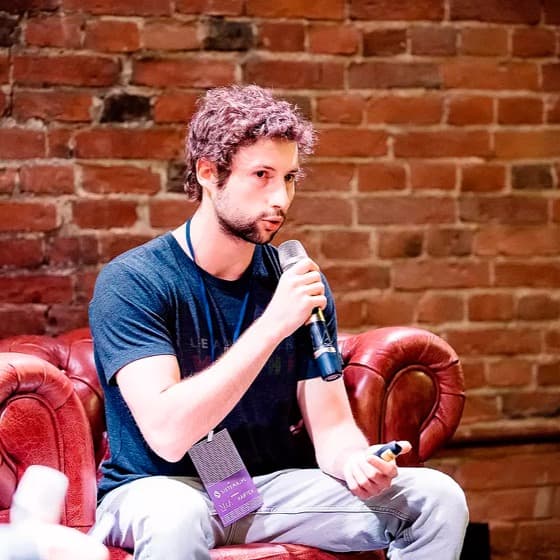
Story
My family left Ukraine for America when I was nine. I didn't speak English. I studied molecular biology at Princeton and biomedical engineering at Oxford. Cancer imaging, machine learning, neuroscience. Six years of science taught me how to find answers. What came next taught me something harder: how to deliver them.
In Ghana, on a trip during Princeton, I watched children die from diseases we already knew how to prevent. The knowledge existed. The delivery mechanism was broken. That realization changed everything. I stopped asking “what do we know?” and started asking “how do we get it to the people who need it?”
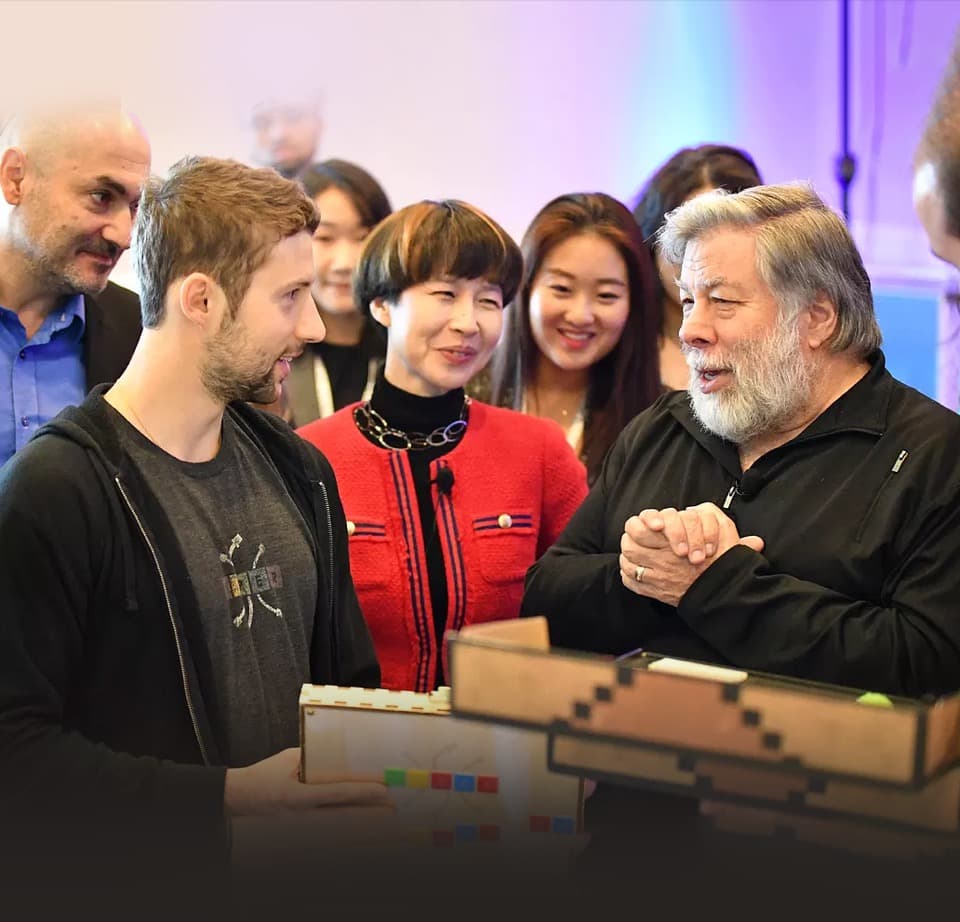
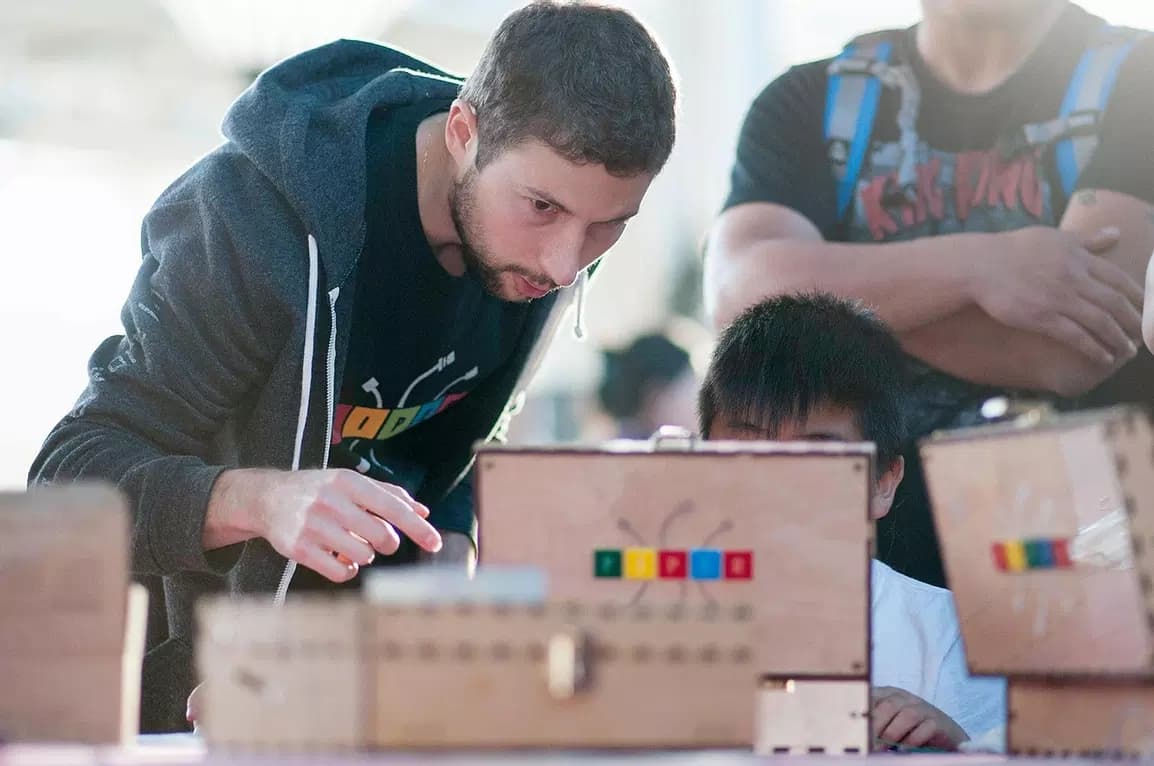
Back at my Princeton dorm, I prototyped Piper, a DIY computer kit that teaches kids to code by building their own machine. It grew from a dorm-room side project to 100,000 units shipped across 70+ countries, endorsements from Steve Wozniak and Elon Musk, a Forbes 30 Under 30 feature, and an exit.
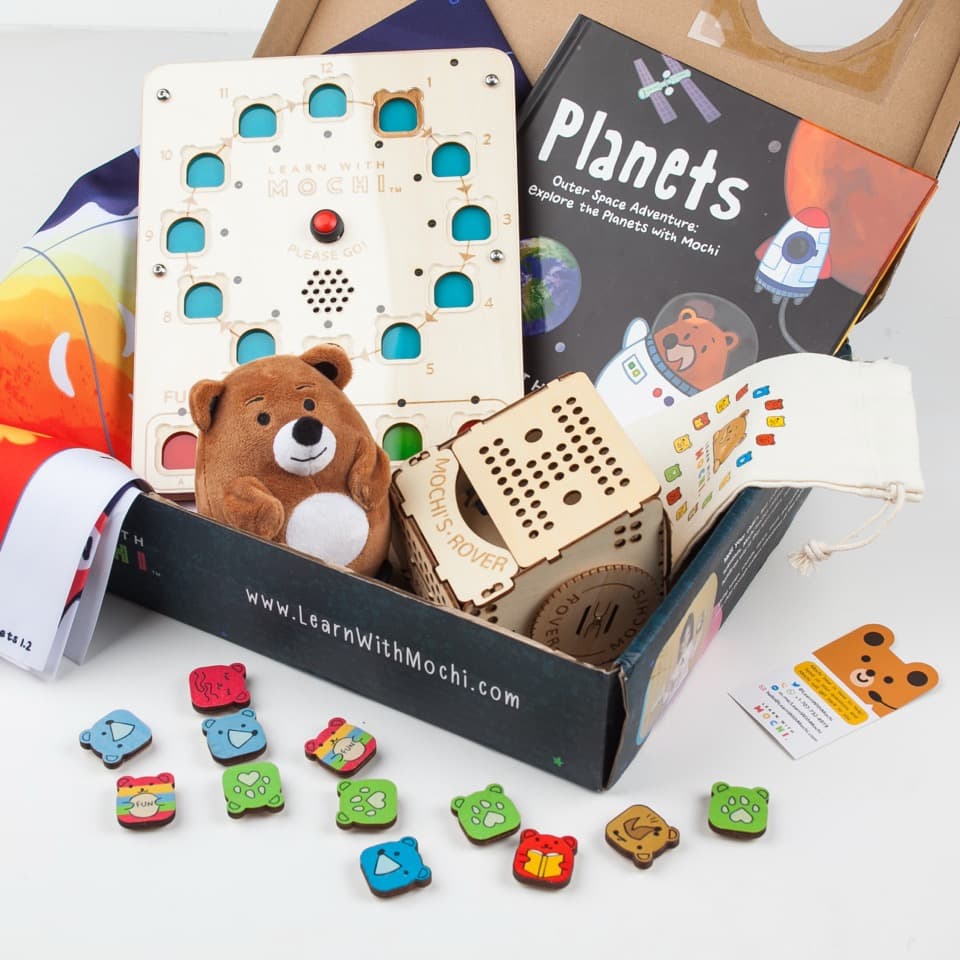
Then came Learn With Mochi, screenless coding toys for kids as young as three. 20,000 units across six continents, multiple awards, and a reminder that complex ideas become powerful when you strip away the complexity.
I arrived in New Zealand on an Edmund Hillary Fellowship, one day before the borders closed in 2020. I saw a tech ecosystem full of talented founders but missing something I'd always had: operators who'd built, shipped, and scaled physical products. People who could sit across the table and say “I've been there.” So I co-founded NZVC, New Zealand's first operator-run venture fund. Fund I ranked in the top 5% globally. I believe the best returns come from backing great founders in overlooked markets with experience, not just capital.
Founders in New Zealand and Australia are as good as any I met in San Francisco, and they start with less money, fewer introductions, and lower valuations, because fewer investors are looking there. I find them before they have traction, write the first institutional check, and connect them to the operators and investors I know in the US. NZVC has partners in Auckland, Sydney and San Francisco. When a company is ready for American customers and investors, I help it make the move.
From a kid who didn't speak the language to a founder shipping products in 70 countries to an investor backing the next generation of builders. Every chapter taught me the same thing: the biggest impact comes from making complex things accessible. That's what I build, and that's what I fund.
The science habit never left either. My latest experiment, The Half-Life of History, measures how fast humanity forgets its own past.